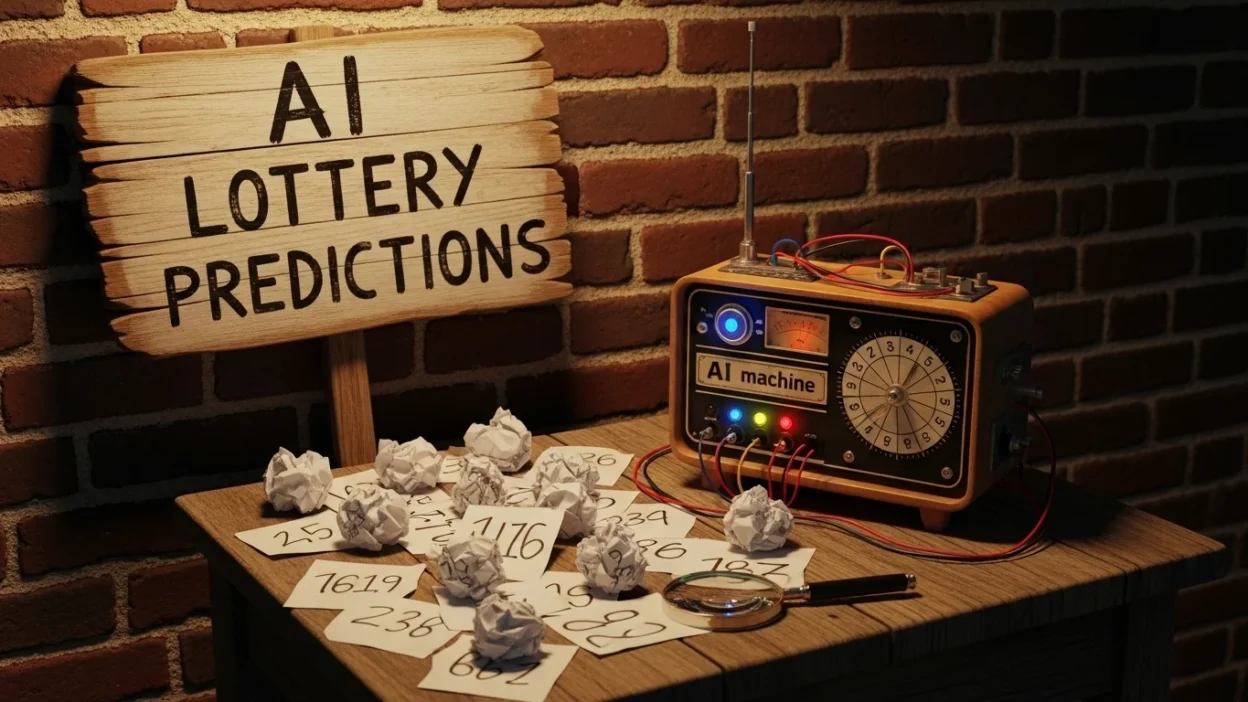
The idea of using AI lottery prediction systems has fascinated Lottery Players, Gaming Enthusiasts, and Gambling Professionals for years. With the rise of advanced Number Generation Systems and Algorithmic Tools, many believe that technology can improve their odds of winning. But how much of this is reality, and what can AI truly offer in the realm of Lottery and the Gaming Industry?
In this article, we explore the truth about AI-assisted lottery tools, practical Lottery Number Generators, and the role of Statistical Analysis in understanding number patterns, probability, and randomness.
Understanding the Lottery Randomization and Probability
Lotteries operate on principles of Randomization and Probability. Every lottery draw, whether conducted via mechanical machines or computerized Random Number Generator (RNG), is designed to be independent and unpredictable. This ensures fairness for Contest Organizers and integrity in the Gambling Sector.
- Random Number Generator (RNG): A system that produces numbers without any predictable sequence.
- Probability: The mathematical likelihood of an event, such as winning the jackpot, occurring.
- Statistical Analysis: Helps Research Teams and Statistical Analysts study historical draws to understand number trends.
| Lottery Type | Odds of Jackpot | Example Probability |
|---|---|---|
| Powerball | 1 in 292,201,338 | 0.00000034% |
| Mega Millions | 1 in 302,575,350 | 0.00000033% |
| State 6/49 Draws | 1 in 13,983,816 | 0.0000072% |
Even with AI, Number Prediction is constrained by the inherent randomness of draws. Pattern recognition in lottery results can identify trends, but it cannot guarantee outcomes.
Mathematics Behind Lottery Draws
Understanding the mathematics of lottery is essential for Lottery Players and Gaming Enthusiasts:
- Statistical Independence: Each draw is independent. The outcome of previous draws does not affect future results.
- Probability Calculation: Using a Probability calculator for lottery, players can assess realistic odds for combinations.
- Gambler’s Fallacy: Believing that “hot” or “cold” numbers are more likely to appear is a misconception.
Example: A 6-number draw in a 49-number lottery offers C(49,6)=13,983,816 possible combinations. AI can analyze past draws but cannot predict the next combination beyond random chance.
Keywords: Data-driven lottery strategy, Outcome Forecasting, Lottery statistics and trends.
Can AI Predict Lottery Numbers?
Many people search for AI lottery prediction systems thinking that machine learning can crack the code. Here’s the reality:
- AI can perform Pattern recognition in lottery results and Historical lottery data analysis.
- AI cannot overcome the mathematical laws of probability and Randomization.
- Prediction Model software can generate statistically informed combinations, but not guaranteed winners.
Machine Learning Lottery Systems are mainly useful for:
- Research Teams analyzing trends.
- Contest Organizers evaluating fairness and draw integrity.
- Statistical Analysts studying probabilities.
Reality Check: Even with advanced AI, Lottery prediction accuracy beyond random chance is effectively impossible.
Practical AI Tools for Lottery Analysis
While AI cannot predict winning numbers, it can assist Lottery Players, Gaming Enthusiasts, and Gambling Professionals in making smarter decisions.
Lottery Number Generator & Templates
- Lottery Number Generator: Creates combinations based on past draws, randomness, or user preferences.
- Lottery Number Templates: Predefined number sets to streamline play.
- Number Generation System: Automated systems to generate multiple combinations quickly.
Table: Common AI Tools in Lottery Analysis
| Tool / System | Purpose | Keywords Used |
|---|---|---|
| Lottery Number Generator | Generates number combinations | AI lottery prediction system, Smart lottery number selection |
| Automated Lottery Picker | Quick number selection | Digital lottery assistant, Online lottery number creator |
| Predictive Analytics Software | Analyzes historical data and trends | Predictive number modeling, Advanced lottery analytics |
| Lucky Number Generator | Fun-based or superstition-based selection | Best numbers for lottery, Winning number probability analysis |
Lottery Number Examples:
- 03, 11, 19, 28, 35, 42
- 05, 12, 23, 29, 37, 44
- 07, 14, 21, 30, 38, 45
AI tools offer How-to Guide support, User Guide instructions, and Usage Instructions for generating combinations efficiently.
How Lottery Players and Gaming Enthusiasts Use AI Tools
AI tools are designed to support strategy and convenience rather than guarantee wins.
Common Uses Include:
- Generating multiple tickets using a Random Number Generator tool.
- Using Templates for favorite or balanced number selections.
- Data Analysis for historical draws and Risk Assessment.
- Avoiding human biases like repeating personal favorite numbers.
Example Strategy:
- Generate 10-20 combinations using Algorithmic Tools.
- Compare combinations with past winning trends (Lottery statistics and trends).
- Use for casual play while understanding odds realistically.
Case Studies AI Applied to Lottery Data
Example 1: Backtesting AI Predictions
- Research Teams ran AI simulations on historical Mega Millions draws.
- Results: AI-generated numbers matched 3-4 numbers occasionally but never a full jackpot.
Example 2: Pattern Recognition
- AI identified frequently drawn numbers (hot numbers) and rarely drawn numbers (cold numbers).
- Useful for Lottery Players seeking balance in selection, not prediction.
Key Insight: AI supports Statistical Analysis and Game Strategy, but cannot guarantee jackpot hits.
Common Myths and Misconceptions
Myth 1: AI can crack the lottery code.
Fact: True randomness in lotteries prevents any predictive model from being 100% accurate.
Myth 2: Historical patterns can predict future draws.
Fact: Every draw is independent; past results do not influence future outcomes.
Myth 3: AI can improve jackpot odds.
Fact: Odds remain mathematically the same; AI helps only with number selection efficiency.
Keywords: Random number generator tool, Probability calculator for lottery.
Frequently Asked Questions
Q1: What is AI lottery prediction?
A1: It is the use of Prediction Models and Machine Learning Lottery Systems to analyze past draws and generate number combinations.
Q2: How to use the Lottery Number Generator?
A2: Use Lottery Number Templates or customize selections using an Algorithmic Tool to generate numbers quickly.
Q3: Are AI tools legal for Contest Organizers and Gambling Professionals?
A3: Yes, when used for analysis and entertainment, not for altering draws.
Q4: Can AI guarantee winning numbers?
A4: No. AI can provide Smart lottery number selection, but it cannot overcome randomness.
Q5: What is the difference between random pick and AI-generated combinations?
A5: Random pick is purely chance, while AI-generated numbers can be guided by Lottery statistics and trends, but still cannot guarantee a win.
Responsible Use of AI Tools
- Treat AI as a Digital lottery assistant, not a guaranteed winning system.
- Use AI for Advanced lottery analytics, trend analysis, and fun experimentation.
- Maintain Risk Assessment strategies while enjoying the game.
- Contest Management should ensure fairness and compliance with legal regulations.
Future of AI in Lottery
- Ongoing research into Predictive number modeling and Lottery algorithm software.
- Possibility of improving player experience with Data-driven lottery strategy.
- AI will remain a support tool for Statistical Analysts, Research Teams, and Gaming Enthusiasts, not a magic solution.
Emerging Trends:
- Machine Learning Lottery Systems for analyzing trends in Historical lottery data.
- Secure Randomization Systems for ensuring fair draws in online lotteries.
Conclusion
AI cannot predict lottery numbers with certainty, but it offers Lottery Players, Gaming Enthusiasts, Gambling Professionals, and Statistical Analysts valuable tools for Data Analysis, number generation, and trend recognition.
By using Lottery Number Generators, Templates, and Algorithmic Tools responsibly, players can enhance their experience without falling for unrealistic claims. Remember: Randomization, Probability, and Statistical Analysis remain the ultimate rules of the game.

Sarah Parker is a creative writer at wishesfuel.com, crafting heartfelt, modern, and viral-style wishes that inspire readers to celebrate moments with joy, emotion, and meaningful expression every day in life.