Have you ever been sitting quietly, scrolling on your phone, and suddenly your eye starts to twitch? It happens randomly, sometimes on the right, sometimes on the left. You blink, rub your eye, and it still keeps twitching. Many people wonder what it means when your eye twitches.
Is it just harmless? Or does it signal something serious? Eye twitching is a common phenomenon, and people often search online to understand why it happens. In this article, you will discover the reasons, possible meanings, and what to do when it occurs. We will also explain myths, superstitions, and medical causes in simple words.
Why Eye Twitching Happens
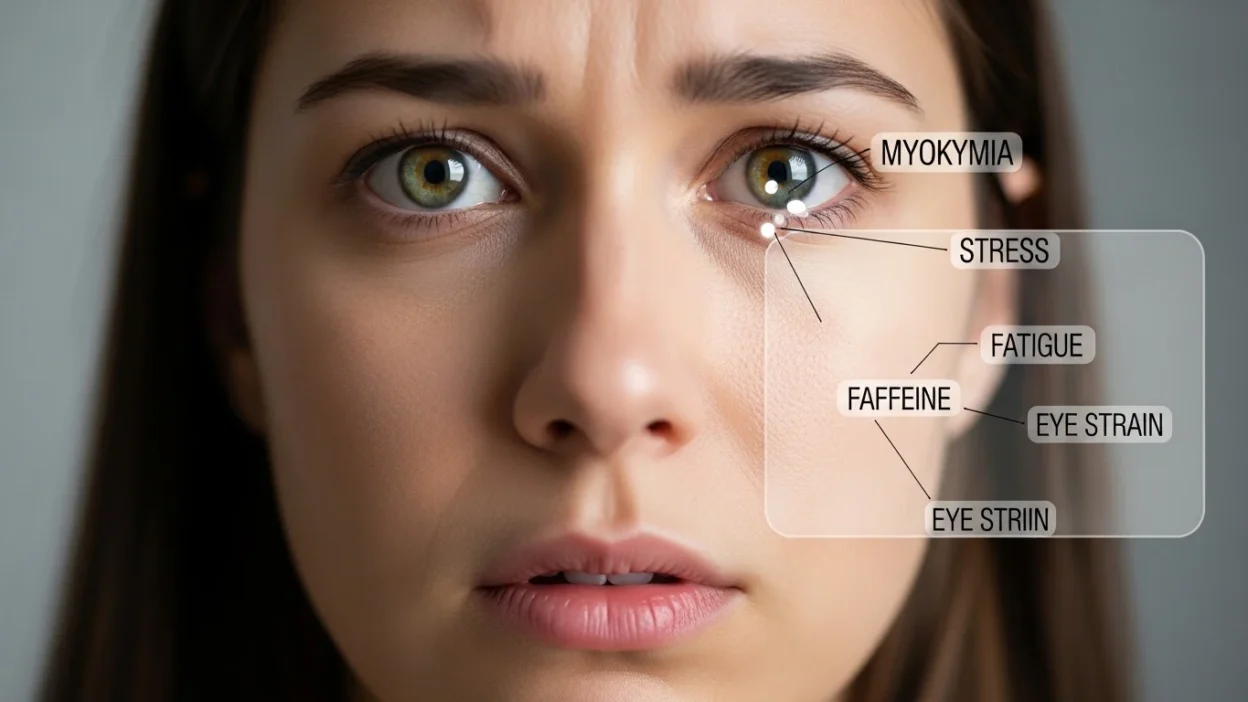
Eye twitching usually happens because of small muscle contractions around the eyelid. These are involuntary movements, which means you cannot control them. The good news is that most eye twitches are harmless and stop on their own. Common reasons include:
- Fatigue: Not enough sleep can make your eye muscles spasm.
- Stress: High stress levels can trigger twitching.
- Caffeine: Too much coffee or energy drinks can overstimulate nerves.
- Eye strain: Long hours of screen time make your eyelid muscles tired.
- Dry eyes: Lack of moisture can make eyelids twitch.
What Does It Mean When Your Eye Twitches Physically?
Physically, eye twitching is usually linked to the tiny muscles around the eyelid. These muscles contract when they are tired or irritated. It is often short-lived, lasting a few seconds or minutes. Sometimes, twitching continues for days. Most of the time, it does not indicate any serious eye disease.
Emotional Reasons Behind Eye Twitching
Some people notice that their eye twitches during emotional moments. Stress, anxiety, or excitement can increase the frequency of twitching. Emotional triggers make the muscles react involuntarily. Relaxation techniques, deep breathing, and reducing stress can often stop it.
Nutritional and Lifestyle Factors
A lack of certain nutrients can sometimes contribute to twitching. Low levels of magnesium, dehydration, or skipping meals may play a role. Similarly, lifestyle habits like excessive caffeine, alcohol, or smoking can make eye muscles twitch more often. Ensuring a balanced diet and healthy routine can reduce occurrences.
What Superstitions Say About Eye Twitching
Many cultures have old beliefs about what it means when your eye twitches. These are mostly myths but are popular online:
- Right eye twitching: Some say it brings good luck.
- Left eye twitching: Others believe it signals bad luck or warning.
- Morning twitching: Considered a sign of incoming news.
- Evening twitching: Believed to indicate minor troubles.
While interesting, these superstitions have no scientific proof. They can be fun to share but should not replace medical advice.
Medical Conditions That Cause Eye Twitching
In rare cases, eye twitching can indicate a medical problem. Possible conditions include:
- Blepharospasm: Uncontrolled eyelid contractions.
- Dry eye syndrome: Eyes lacking sufficient moisture.
- Allergies: Irritation can cause eyelid spasms.
- Neurological disorders: Rarely, conditions like Bell’s palsy or dystonia.
Most twitches are benign, but if they last more than a few weeks, worsen, or involve other parts of your face, it is best to see a doctor.
How to Stop Eye Twitching
Simple changes can reduce or stop eye twitching:
- Get enough sleep every night.
- Reduce stress with meditation or exercise.
- Limit caffeine intake.
- Take regular breaks from screens.
- Keep your eyes hydrated with artificial tears.
Avoid rubbing your eyes too much, as it can worsen twitching.
Eye Twitching in Different Ages
Eye twitching can happen at any age. Teenagers may get it from long hours of gaming or studying. Adults often notice it during stressful work periods. Older adults may experience twitching because of fatigue or eye strain. Regardless of age, lifestyle changes can help manage it.
Myths vs Reality
There are many myths about eye twitching. Let’s clarify:
- Myth: Twitching always brings bad luck.
Reality: Twitching is mostly harmless and linked to muscle fatigue. - Myth: Only tired people get eye twitches.
Reality: Stress, nutrition, and caffeine also play roles. - Myth: Eye twitching requires medicine.
Reality: Most cases stop naturally without treatment.
Understanding the difference helps reduce worry.
Eye Twitching at Night vs Day
Some people notice twitching mostly at night. This can be due to fatigue after a long day. Daytime twitching often happens due to screen exposure or stress. Identifying patterns can help reduce triggers.
How Long Does Eye Twitching Last?
In most cases, a single twitch lasts a few seconds. Repeated twitches can continue for minutes or hours. Rarely, chronic twitching can last weeks. Persistent twitching should be checked by a medical professional.
When to See a Doctor
Eye twitching is rarely serious, but medical advice is recommended if:
- Twitching lasts more than three weeks.
- Your eyelid completely closes during spasms.
- Twitching spreads to other parts of the face.
- You experience redness, swelling, or discharge.
Early consultation ensures nothing serious is overlooked.
Home Remedies for Eye Twitching
Several home remedies can help:
- Warm compress over the eye for a few minutes.
- Eye massage to relax muscles.
- Cold packs to reduce irritation.
- Drink plenty of water to stay hydrated.
- Eat magnesium-rich foods like nuts, spinach, and bananas.
These remedies often reduce twitching naturally.
Reducing Stress to Prevent Twitching
Stress is a major cause. Techniques to reduce stress include:
- Meditation for 10 minutes daily.
- Light exercise or yoga.
- Deep breathing exercises.
- Listening to calming music.
- Avoiding overthinking and relaxing before sleep.
Lower stress levels often decrease eye twitch frequency.
Common Questions About Eye Twitching
What does it mean when your eye twitches constantly?
It usually indicates fatigue, stress, or irritation but can rarely signal a medical issue.
Is twitching in the right eye good or bad?
Mostly harmless. Some myths say good luck, but scientifically, it’s neutral.
Can eye twitching be related to caffeine?
Yes. Too much coffee or energy drinks can trigger muscle spasms.
Does lack of sleep cause eye twitching?
Absolutely. Tired eye muscles can spasm more often.
When should you worry about eye twitching?
If it lasts weeks, spreads to the face, or causes eyelid closure, see a doctor.
Conclusion
Eye twitching is usually harmless and linked to fatigue, stress, or minor irritation. Most episodes stop naturally. Lifestyle changes like better sleep, reduced stress, limiting caffeine, and keeping eyes hydrated can prevent or reduce twitching. Rarely, persistent twitching may indicate a medical condition, so consult a doctor if it continues or worsens. Now you understand what it means when your eye twitches, why it happens, and how to handle it confidently.