You are chatting with someone online. They say, “I think he’s on the spectrum.” You pause. What does that mean? Is it about personality? Is it a joke? Or is it something serious? Many people see this phrase on WhatsApp, Instagram, TikTok, or Snapchat and feel confused.
Some think it is slang.
Others think it is an insult. That is why many users search online to understand it clearly. The phrase is connected to mental health and brain development. It is important to know the real meaning so you do not misunderstand it or use it in the wrong way.
What Is the Real Meaning?
This phrase usually refers to Autism Spectrum Disorder.
It describes a developmental condition.
It explains differences in communication, behavior, and social skills.
does not mean someone is strange or broken.
It simply means their brain works differently.
Understanding Autism in Simple Words
Autism is a brain development condition.
People with autism may:
- Communicate differently
- Avoid eye contact
- Focus deeply on one interest
- Be sensitive to sound or light
- Prefer routines
Every person is different.
Some need more support.
Some live fully independent lives.
That is why it is called a spectrum.
Why It Is Called a Spectrum
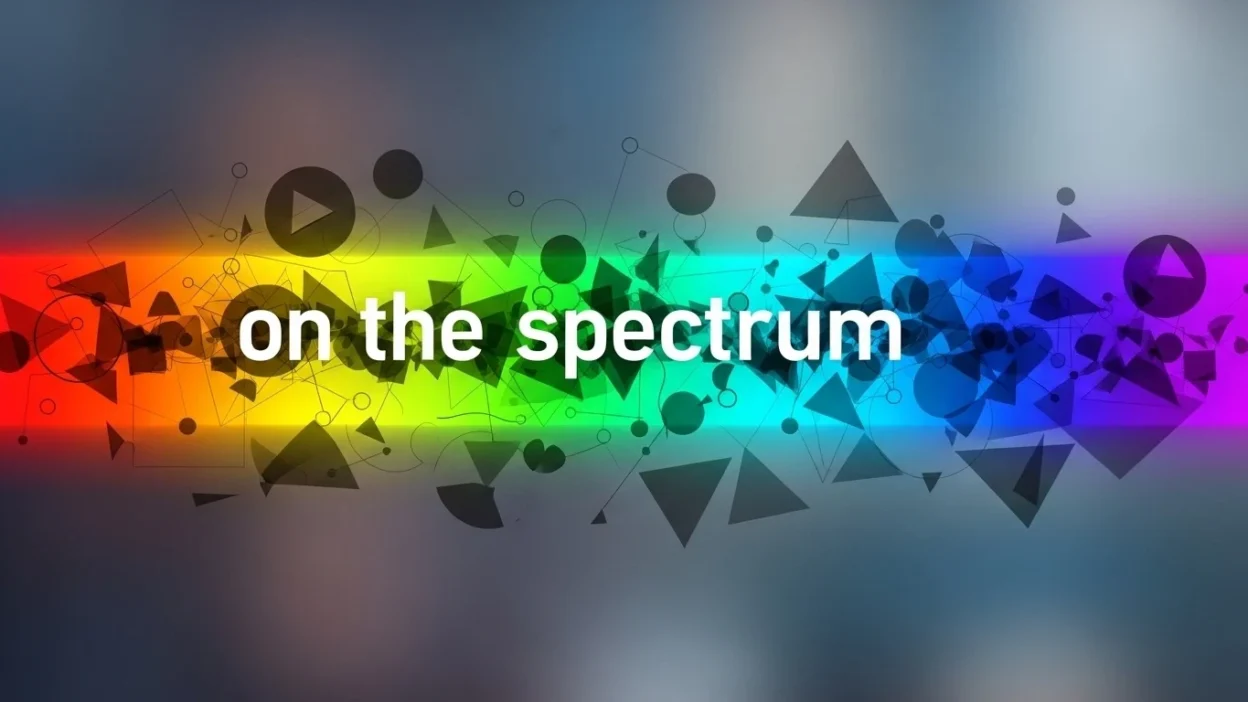
A spectrum means a wide range.
Think of a rainbow.
It has many colors.
In the same way, autism has many levels and traits.
Some people may struggle with social skills.
Others may be very social but think differently.
Because it is not the same for everyone, doctors use the word spectrum.
How People Use This Phrase in Chat
In texting, people often use this phrase in serious conversations.
Example 1
A: He does not like loud places.
B: He might be on the spectrum.
Example 2
A: My cousin was diagnosed last year.
B: Oh, I understand now.
Example 3
A: She has strong focus on numbers.
B: That makes sense.
Most of the time, it is used to explain behavior kindly.
However, some people misuse it as a joke. That is not respectful.
Social Media Usage
On Instagram, many creators share awareness posts.
On TikTok, people openly talk about their diagnosis.
Facebook groups, families discuss support and advice.
On Snapchat, friends may talk privately about someone’s condition.
The meaning does not change across platforms.
It always relates to autism.
Tone and Emotional Meaning
Tone matters a lot.
Used respectfully, it shows awareness and understanding.
Used carelessly, it can sound rude.
For example:
Respectful:
“He was diagnosed recently.”
Disrespectful:
“You’re acting weird. Are you on the spectrum?”
The second example sounds insulting.
Always speak with care.
Is It Positive or Negative?
The phrase itself is neutral.
Autism is not negative.
It is a difference in brain development.
Some people with autism have:
- Strong memory
- High intelligence
- Deep focus
- Creative thinking
Support and understanding help people grow.
When It Is Appropriate to Use
You can use this phrase when:
- Talking about a real diagnosis
- Sharing awareness content
- Discussing autism respectfully
- Supporting someone
It should be used kindly and correctly.
When You Should Avoid Using It
Avoid using it:
- As an insult
- As a joke
- Without medical confirmation
- To label someone casually
Never guess someone’s condition.
Only professionals can diagnose autism.
Common Misunderstandings
Some people believe:
Autism means low intelligence.
This is false.
Autism always looks the same.
This is false.
People can “grow out” of autism.
This is false.
Autism is lifelong.
But support can improve communication and life skills.
Supportive Responses You Can Use
If someone shares this information with you, respond kindly.
Here are good replies:
- Thank you for telling me.
- I appreciate you sharing.
- That makes sense.
- I am here for you.
- How can I help?
Kind words matter.
Related Terms You May Hear
Here are similar terms:
Autism – Brain development condition
ASD – Short form for Autism Spectrum Disorder
Neurodivergent – Brain works differently
Developmental condition – Affects growth and learning
All connect to the same topic.
Importance of Respectful Language
Words shape how people feel.
Using medical terms as jokes can hurt others.
Online culture sometimes turns serious topics into memes.
This is not healthy.
Respect creates safer spaces.
Understanding builds empathy.
Frequently Asked Questions
Is this phrase an insult?
No. It is a medical description.
Does it always mean autism?
Yes. It refers to autism spectrum disorder.
Can you diagnose someone yourself?
No. Only trained professionals can diagnose.
Is it common to see this phrase online?
Yes. Many awareness posts use it.
Should I use it casually with friends?
Only if the topic is serious and respectful.
Is autism a mental illness?
No. It is a developmental condition.
Learn More About Related Topics
If you enjoy learning about word meanings and phrases used online, you may also like:
- Understanding modern chat slang
- Mental health terms explained simply
- Social media language guide
- How tone changes meaning in text
Exploring related topics helps you communicate better and avoid mistakes.
Conclusion
This phrase refers to autism spectrum disorder, a developmental condition that affects communication, behavior, and social interaction. It is not an insult and not a joke. It describes a wide range of brain differences. The meaning stays the same in text messages and on social media platforms. Tone and respect are very important when using it. Now you clearly understand the meaning and can speak about it in a kind and informed way.
Discover More Post
679+ Lover Birthday Wishes in Kannada Romantic Messages …
Didi Jiju Anniversary Wishes in Hindi for Special Moments For …
576+ Hospital Anniversary Wishes to Mark Milestones in …

James Miller is a creative writer at wishesfuel.com, crafting modern heartfelt and relatable wishes that inspire readers to celebrate life’s moments with originality, warmth, and meaningful expression every day always.