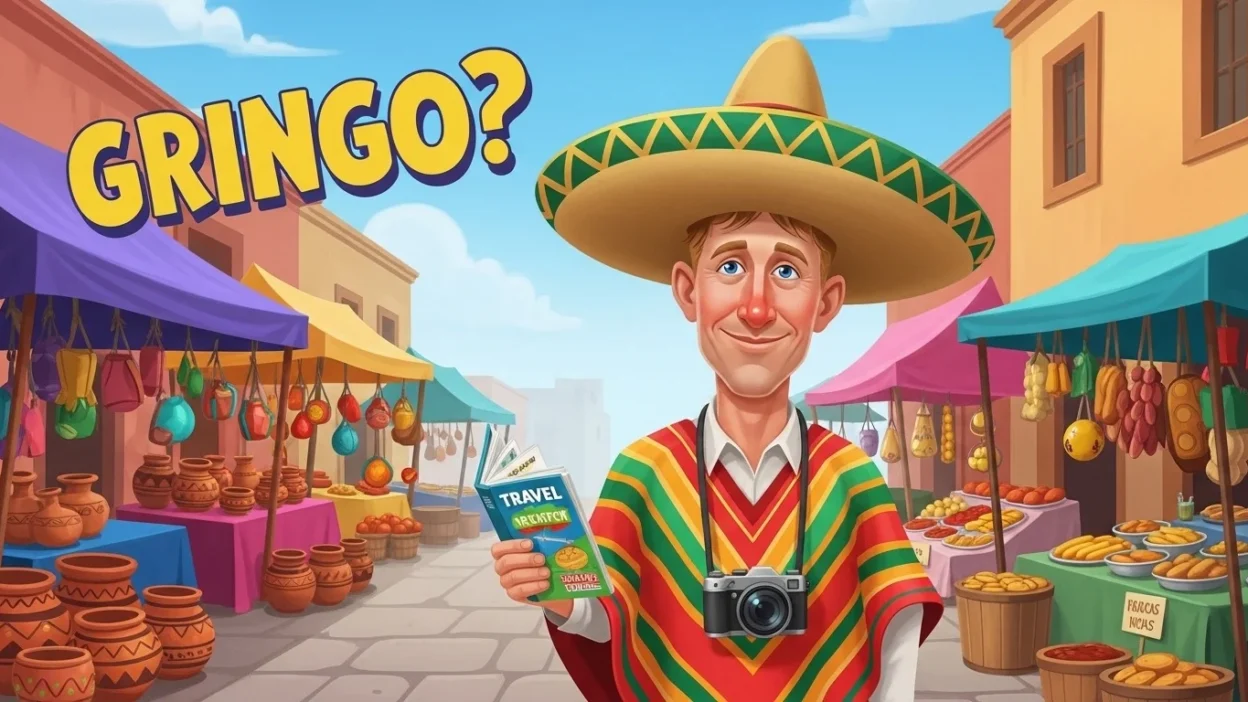
Curious about What Does Gringo Mean in Text, Chat, and Social Media? In 2026, this popular slang term continues to spark conversations across messaging apps, online communities, and social platforms. Understanding What Does Gringo Mean in Text, Chat, and Social Media? can help you avoid misunderstandings and better interpret modern digital conversations.
The meaning of “gringo” often depends on the context, culture, and tone of the conversation. While some people use it casually or humorously, others may use it to describe someone perceived as foreign, especially from an English-speaking country. Its usage has evolved significantly in online communication and social media culture.
In this guide, you’ll discover the latest meaning, origin, examples, and social media uses of the term “gringo” in 2026. Whether you spotted it in a text message, TikTok comment, Instagram caption, or online chat, this complete explanation will help you understand exactly what it means and how it is used today.
Meaning of Gringo in Simple Words
Gringo is a Spanish slang word.
It usually describes a foreigner.
Most often, it refers to an English-speaking person, especially from the United States.
In short, it means “foreigner,” mainly someone who is not Latino.
The exact meaning can change depending on the country and tone.
Does Gringo Have a Full Form?
Gringo has no full form.
It is not an abbreviation.
It is simply a Spanish slang word.
Where Did This Word Come From?
The origin is not fully clear.
Some people believe it comes from the Spanish word “griego,” which means Greek. In old Spanish, saying something was “in Greek” meant it was hard to understand.
Others think it became popular during wars between Mexico and the United States. However, historians do not fully agree on one single story.
Over time, the word became common in Latin America.
Today, it is widely known around the world.
How People Use This Word in Chat
In texting, it often appears in a casual way.
Here are simple examples:
Example 1
A: You don’t like spicy food?
B: Haha sorry, I’m a gringo.
Example 2
A: Your Spanish sounds funny.
B: I know, total gringo here.
Example 3
A: Why are you so pale?
B: Because I’m gringo!
Sometimes it is used as a joke.
Other times it may sound serious.
Tone always matters.
Meaning From a Girl
When a girl uses this word, it can sound:
- Playful
- Teasing
- Friendly
- Slightly sarcastic
If she says it with a smile or laughing emoji, it is usually friendly.
Without context, it may feel awkward.
Meaning From a Boy
When a boy uses it, the tone may be:
- Casual
- Funny
- Teasing
- Sometimes mocking
Again, voice and mood change the feeling.
Is It Rude or Polite?
This depends on context.
In many Latin American countries, it is neutral.
It simply means foreigner.
However, in some situations, it can feel insulting.
It may sound rude if:
- Said with anger
- Used to insult someone’s culture
- Used in a fight
It sounds harmless if:
- Said among friends
- Used in a joke
- Said with a smile
Always pay attention to tone.
When You Can Use This Word
Use it in:
- Casual chats
- Friendly jokes
- Light social media comments
- Travel conversations
Make sure the other person is comfortable with it.
When You Should Avoid It
Avoid using it in:
- Professional emails
- Office meetings
- Serious arguments
- Conversations with strangers
- Formal writing
It can create misunderstanding in serious settings.
Social Media Usage
On Instagram, it appears in memes and comments.
On TikTok, it is often used in funny cultural videos.
inWhatsApp, it may show up in group chats.
On Snapchat, it is used casually between friends.
The meaning usually stays the same across platforms.
Is It Positive or Negative?
It is mostly neutral.
But feelings change based on tone.
Positive tone makes it playful.
Negative tone makes it insulting.
The word itself is not always bad.
Intent matters more.
Cultural Sensitivity
Language is powerful.
Some people do not mind this word.
Others may feel uncomfortable.
Cultural background plays a big role.
If you are unsure, it is better not to use it.
Respect always comes first.
Similar Words and Related Terms
Here are some related terms:
Foreigner – Someone from another country
Tourist – Person visiting another place
Expat – Person living outside home country
Outsider – Person not from the group
Yankee – American person, sometimes informal
Each word has its own tone and usage.
Best Replies If Someone Calls You Gringo
Here are simple responses:
- Haha maybe I am.
- Guilty as charged.
- Still learning!
- Teach me then.
- I’ll try harder.
- Not for long.
- That’s fair.
- Working on my Spanish.
Stay calm and friendly.
Common Situations Where It Appears
Travel stories often include this word.
Food videos sometimes use it when someone cannot handle spicy food.
Gaming chats may use it jokingly.
Language learning groups also mention it.
It is common in cultural jokes.
Frequently Asked Questions
Is this word offensive?
It can be, depending on tone and context.
Does it only mean American?
Mostly yes, but it can mean any English-speaking foreigner.
Is it safe to use with strangers?
Not always. It is better to avoid it with people you do not know well.
Can it be friendly?
Yes. Among friends, it is often playful.
Is it common on social media?
Yes. It appears in memes, videos, and casual chats.
Does it have a full form?
No. It is just a word.
Should I use it in professional settings?
No. Keep it out of formal situations.
Tone Differences Across Countries
In Mexico, it usually means American.
In Brazil, it may describe foreigners in general.
Spain, it can refer to non-Spanish speakers.
Meaning shifts slightly by region.
Understanding culture helps avoid confusion.
Can You Call Yourself This Word?
Yes, some people joke about themselves.
For example:
“I can’t dance salsa. I’m such a gringo.”
Self-use often sounds lighter.
Still, be mindful of audience.
Why People Search for This Meaning
Curiosity is natural.
People see it in comments and feel unsure.
They do not want to misunderstand.
They also do not want to offend someone.
Searching helps them feel confident before using it.
FAQs
What does “Gringo” mean in text messages?
“Gringo” is a Spanish-language term often used to refer to a foreigner, especially someone from the United States. In text messages, it is usually used casually, humorously, or descriptively depending on the conversation.
Is “Gringo” an insult?
Not always. The meaning depends on the context, tone, and relationship between the people involved. It can be friendly, neutral, playful, or, in some situations, used negatively.
What does “Gringo” mean on social media?
On social media platforms, “Gringo” is commonly used to describe Americans, English-speaking tourists, or people unfamiliar with local customs and culture.
How is “Gringo” used in online chats?
People often use “Gringo” in chats when talking about travel, cultural differences, language learning, or interactions between locals and foreigners.
Does “Gringo” only refer to Americans?
In many Latin American countries, it primarily refers to Americans. However, in some regions, it may be used more broadly for foreigners from other countries as well.
Can “Gringo” be used as a joke?
Yes, many people use “Gringo” playfully in memes, jokes, and friendly conversations. The intent and context usually determine whether it is humorous or offensive.
Why do people say “Gringo” on TikTok and Instagram?
Creators often use the term in travel videos, cultural content, language-learning posts, and comedy skits to describe foreigners experiencing local traditions or customs.
What is the difference between “Gringo” and “Foreigner”?
“Foreigner” is a general English term for someone from another country. “Gringo” is a specific Spanish-language word that often carries cultural and regional meanings beyond simply being a foreigner.
Is “Gringo” popular slang in 2026?
Yes, “Gringo” remains a widely recognized term in online conversations, memes, travel content, and social media discussions throughout 2026.
How should I respond if someone calls me a “Gringo”?
Consider the context first. In many situations, it is simply a casual or descriptive label. If you’re unsure about the speaker’s intent, you can politely ask what they mean by it.
Final Thoughts
Language changes across cultures and places. This Spanish slang word usually means a foreigner, especially someone from the United States. It is mostly neutral, but tone and context decide if it sounds friendly or rude. Social media often uses it in jokes and memes. Still, respect is important in every conversation. If you are unsure about someone’s comfort level, it is safer not to use it. Now you understand the meaning clearly and can handle it wisely in chats and online spaces.
Discover More Post
340+ Heart Touching Birthday Wishes for Friend For 2025
9th Wedding Anniversary Wishes for Husband For 2026
320+ Happy Birthday Wishes – Make Every Celebration For …

Sarah Parker is a creative writer at wishesfuel.com, crafting heartfelt, modern, and viral-style wishes that inspire readers to celebrate moments with joy, emotion, and meaningful expression every day in life.